

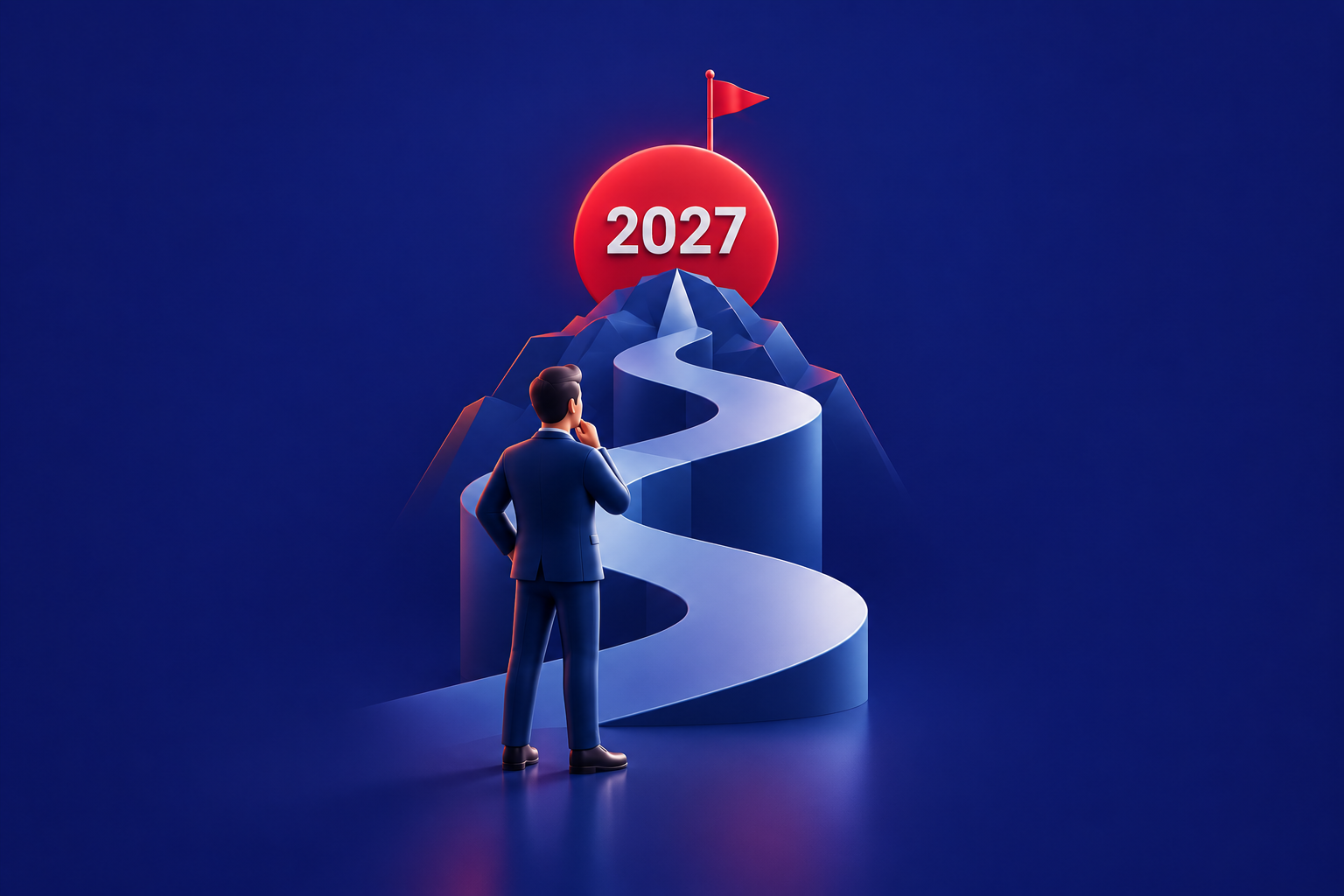
It’s a question we hear every year as budgeting season begins and with the recent launch of UBT’s VSBE model, it feels more relevant than ever as businesses start planning for 2027.
At UBTA, we have the privilege of helping many clients through this process, but there is always one question we ask shareholders first:
What do you want your business to achieve?
Is it larger profits? Funding for other ventures? Supporting local needs?
Defining that goal gives you a clear endpoint to work towards.
This is where the VSBE process comes into its own. The Vision is set, the Strategy is decided on to realise it, and the next step is to detail exactly how that strategy will be delivered:
“Create actionable plans and comprehensive budgets aligned to the strategy.”
But when you actually sit down to build the budget, where do you start?
As one experienced CFO once told me:
“I always started with the sales budget. Not because it was the first line on the P&L, but because it was our constraint to growth.”
And that is the key point.
Start with your constraint to growth.
Ask yourself: if your business doubled overnight, which department, process or resource would fall over first?
Before moving on to the next area of the budget, make sure you are confident that constraint is capable of supporting your vision.
A few examples could be:
1. The size of the market you operate in
As part of building your strategy, you may already have completed some analysis on your TAM, your Total Addressable Market.
But if your strategy requires diversification into different markets or customer groups, what investment will be needed to get there? How long will it take before the returns start flowing through?
It is important that the budget reflects both the opportunity and the cost of accessing it.
2. Sales opportunities
Based on your current lead conversion rates, how many leads do Marketing and Business Development need to generate and convert to deliver the revenue required by your vision?
If the numbers do not stack up, something needs to change, whether that is the volume of opportunities coming in, the conversion rate, the value of each sale, or the resources behind your sales process.
There is also a wealth of content available through the OBC to help businesses improve their sales process and conversion rates.
3. Manufacturing capacity
Is your operation already running at peak efficiency?
Have you mapped out the additional capacity that will be needed to deliver your vision, and what investment may be required to create it?
This is where our cost consultancy and efficiency work can be particularly valuable, helping businesses understand where capacity can be unlocked before committing to further investment.
4. Last, but certainly not least, people
Do you have enough people in the right seats to deliver the vision?
It may sound harsh, but one useful exercise is to build the budget around the roles the business needs first, and then slot names into those roles afterwards.
That can quickly expose gaps in the team.
If there are gaps, the next question is how and when they should be filled. Not every hire needs to happen on day one — the important thing is making sure recruitment is phased sustainably alongside growth.
And then there is cash
You might be reading this having already worked through your budget and produced a solid P&L ready to present to the board for sign-off.
But have you considered the cashflow impact of actually delivering the strategy?
Growth nearly always requires investment before the return arrives.
You may need to recruit before the additional revenue comes through. You may need to buy stock, machinery or equipment. You might need to invest in marketing, enter a new market or carry higher working capital as the business expands.
That means a profitable growth plan can still put significant pressure on cash.
And this is often the piece that turns a budget from a set of numbers into a genuinely useful business plan.
At UBTA, this is a core part of our Financial Forecasting sessions. We work with businesses to model the impact of their strategy across profitability, cashflow and equity, so shareholders can see not only where they want to get to, but what it will take to get there.
We can also provide ongoing access to specialist forecasting tools, allowing the model to be updated each month as actual performance develops and assumptions change.
So, if you are wondering where to start with your 2027 budget, don’t necessarily start at the top of the P&L.
Start with the vision. Identify what is most likely to constrain it. Build the plan around overcoming those constraints. Then make sure the cash is there to fund it.
That is what turns a budget from an annual finance exercise into something that can genuinely help you deliver your strategy.
If you would like support modelling what your 2027 strategy could mean for profitability, cashflow and equity, speak to the UBTA team about a Financial Forecasting session.